Fashion: The Ever-Evolving Expression of Identity and Culture


Fashion is far more than the clothes we wear; it is a dynamic language through which individuals and societies articulate identity, values, and aspirations. From the intricate drapes of ancient civilizations to the cutting-edge styles seen on modern runways, fashion has always served as a reflection of the cultural, social, and economic forces shaping the world. It occupies a unique space where art meets commerce, tradition meets innovation, and personal expression intersects with collective trends.
At its essence, fashion is an ongoing dialogue between the past and the present. Historical influences continuously inform contemporary design, while today’s innovations pave the way for tomorrow’s trends. This fluidity is what renders fashion endlessly fascinating—a living tapestry woven from myriad threads of creativity, history, and technology. Every season, designers reinterpret motifs and silhouettes, pushing boundaries while paying homage to heritage. This interplay creates a rich, layered narrative that resonates with consumers on both aesthetic and emotional levels.
One cannot discuss fashion without acknowledging its profound role in identity formation. Clothing choices communicate a spectrum of messages, from subtle cues about social status and cultural affiliations to bold statements of individuality and rebellion. The power of fashion lies in its ability to transcend verbal language, enabling people to craft their own stories and signal belonging or differentiation with remarkable immediacy.
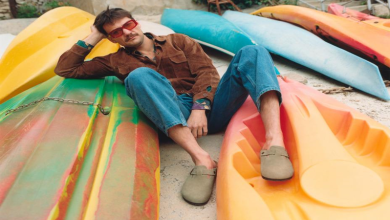
Consider, for example, the enduring appeal of streetwear. Once dismissed as mere casual attire, streetwear has morphed into a global phenomenon that blurs the lines between high fashion and everyday wear. Rooted in urban youth culture, it embodies a spirit of authenticity and resistance against conventional norms. Its rise highlights how fashion not only mirrors societal shifts but also acts as a catalyst for cultural conversations around identity, diversity, and inclusivity.
Beyond personal expression, fashion is inextricably linked to broader cultural and economic systems. The industry operates as a significant driver of global commerce, employing millions and influencing international trade patterns. Fashion capitals like Paris, Milan, New York, and Tokyo serve as epicenters of creativity and business, where designers, marketers, and consumers converge in a vibrant ecosystem.
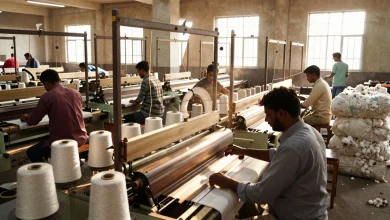
Yet, this commercial dimension also brings to light critical issues such as sustainability and ethical production. The fast fashion model, characterized by rapid production cycles and low-cost garments, has revolutionized accessibility but at considerable environmental and social costs. The depletion of natural resources, pollution, and exploitative labor practices have sparked a reckoning within the industry, prompting designers and consumers alike to reconsider their roles.
In response, a growing movement champions sustainable fashion, emphasizing quality over quantity, eco-friendly materials, and transparent supply chains. This shift not only addresses ethical concerns but also redefines luxury as synonymous with responsibility and craftsmanship. It encourages consumers to view fashion as an investment in longevity and values rather than fleeting trends, fostering a deeper connection between wearer and garment.
Technology is another transformative force reshaping fashion’s landscape. From digital design tools that allow for unprecedented creativity to e-commerce platforms revolutionizing retail, technology enhances both production and consumption. Virtual fashion shows and augmented reality fitting rooms are pioneering new ways to engage audiences, democratizing access and redefining the shopping experience. Additionally, innovations such as 3D printing and smart textiles hint at future possibilities where functionality and aesthetics seamlessly merge.
Despite its ever-changing nature, fashion remains deeply rooted in cultural narratives. Traditional dress continues to inspire contemporary designers, serving as a powerful reminder of heritage and identity. Indigenous patterns, artisanal craftsmanship, and age-old techniques are increasingly celebrated within the global fashion dialogue, enriching modern collections with stories and meaning. This fusion of old and new underscores fashion’s capacity to honor diversity while fostering cross-cultural appreciation.
Ultimately, fashion is a mirror reflecting the complexities of human society—a medium through which creativity, economics, technology, and culture converge. It challenges conventions, provokes thought, and delights the senses. Whether through the elegance of haute couture or the pragmatism of everyday wear, fashion invites us to explore who we are and who we aspire to be.
In embracing fashion, we participate in an enduring tradition of self-expression and cultural exchange. It is a powerful testament to humanity’s innate desire for beauty, innovation, and connection. As the industry continues to evolve, it holds the promise of becoming not only a canvas for artistic ingenuity but also a vehicle for meaningful change—one garment at a time.