
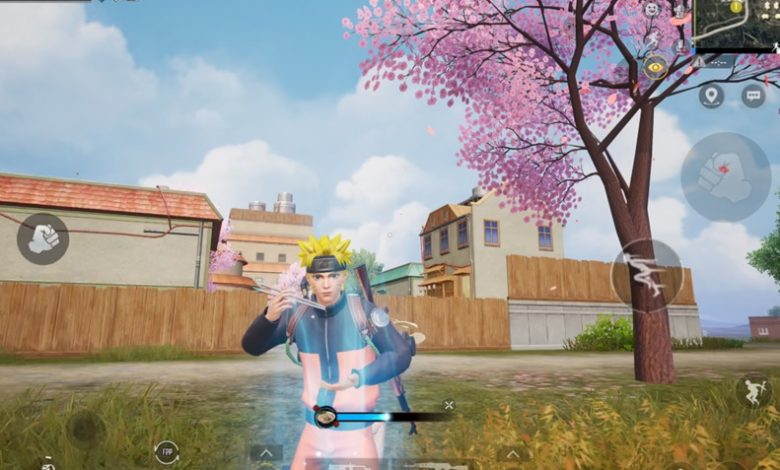
All competitive shooter games have a mechanic called mission difficulty scaling, which you experience as you advance through the different levels.
This mechanic not only influences how you play but also impacts the overall gameplay experience. But what is mission difficulty scaling in multiplayer shooters exactly? Let us discover the same in this blog.
What is Mission Difficulty Scaling in Multiplayer Games?
Mission difficulty scaling refers to the gradual increase in the difficulty levels of multiplayer shooters. The differences between each difficulty level are denoted by the tier names, which give you some idea of what to expect.
Let us now explore some common difficulty tiers to expect in multiplayer shooters, with BGMI as an example.
What are the Different Types of Game Mission Difficulty Levels?
Bronze Tier
The Bronze tier is the first difficulty level that you come across. It has the easiest missions game since your opponents are generally AI bots or new players with little to no experience.
You can consider every match that you play in this level a practice match, since it will not affect your overall ranking.
Silver Tier
Once you advance into the Silver tier in a multiplayer shooter, the difficulty slightly increases. That is because you will face opponents who have learnt the game’s mechanics but are still inexperienced.
So you should use this tier to improve your existing one-on-one or overall shooting, hiding and opponent suppression skills.
Gold Tier
The Gold tier of battle royale shooters makes completing mission games harder, as your opponents are somewhat more experienced. Moreover, the likelihood of one-vs-one or one-vs-two showdowns is slightly higher in this tier. Hence, you should remain alert during each match in this tier to avoid early defeat.
Platinum Tier
This tier is where you can expect more intense matches with opponents, since they are more skilled. They are aware of their environment, relatively more skilled at concealing their movement, and can accurately shoot from long distances.
Hence, during matches in these tiers, use your extra weapons, like grenades or accessories, for greater impact.
Diamond Tier
When you advance to the Diamond Tier, you begin to meet expert- or veteran-level opponents. Some of them may be e-sports competition players too. So you can expect detailed knowledge of the map, increased tactical awareness and diversion-causing expertise from them.
Crown Tier
From this tier onwards, you can expect a significant increase in difficulty. That is because you will face professional-level opponents who use bold tactics, have balanced team co-ordination, and can be slightly unconventional as well.
Ace Tier
You can consider yourself an elite multiplayer shooter gamer after reaching this tier. Opponents in this tier are very serious about their game and can move fluidly across the map. It means that they can reach your location without being seen, while their team surrounds you. So, you should be very careful in this tier, as a defeat can lead to a deduction of many points.
Conclusion
Mission difficulty scaling in competitive multiplayer shooters refers to the gradually increasing difficulty levels in each tier.
Understanding the level of difficulty you can expect in each tier before starting the match helps you play accordingly and avoid unwanted surprises.