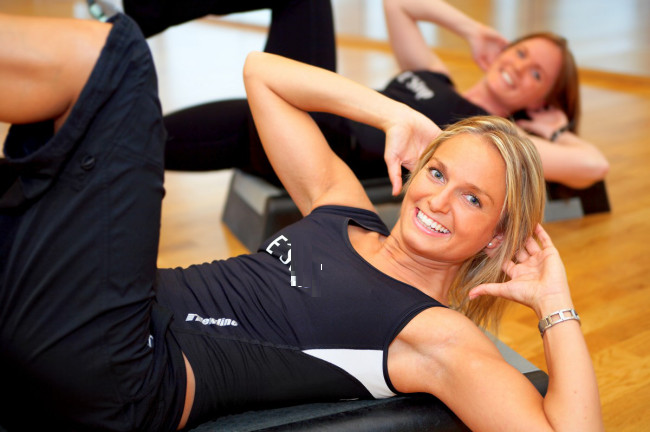

Blending Group Energy with Personal Goals
In recent years, more Singaporeans have turned to group workouts to stay consistent and motivated. Whether it’s spin, aerobics, or circuit training, group classes offer structure, variety, and a sense of community that many solo workouts lack. But what if you’re already following a structured gym fitness program? Can you still participate in group sessions without compromising your goals? The answer is yes—with the right strategy, group classes can perfectly complement your personalised training routine.
When approached correctly, group workouts are not just a fun break from solo sessions. They can reinforce your discipline, challenge you differently, and help you discover movements you might not include in your own program.
Why Group Classes Appeal to Singapore’s Urban Lifestyle
Singapore’s fast-paced culture often leaves little time for planning and executing detailed solo routines. With structured start and end times, group classes help busy individuals commit to workouts without the added burden of designing them.
In addition to saving time, classes provide professional instruction, energising music, and peer encouragement. The accountability that comes from booking a class and showing up for others can make the difference between skipping and sweating.
Choosing the Right Classes for Your Gym Fitness Program
To benefit from group sessions, it’s important to choose formats that align with your primary training goals. Whether your focus is fat loss, strength, or endurance, not every class will be equally effective.
Here are a few examples of smart class integration:
- Cardio-heavy classes (like aerobics or dance fitness) pair well with strength-focused gym days
- Strength-based classes complement a fat-loss program, especially if you enjoy lifting with guidance
- Core and mobility sessions improve recovery and balance intense workout days
Instead of using classes as random fillers, treat them as active ingredients in your gym fitness program. Rotate them based on your weekly goals, energy levels, and focus areas.
Balancing Volume and Intensity
A common mistake when mixing group workouts with a personal routine is overtraining. It’s easy to get caught up in the energy of the class and forget that your body also needs time to recover. Doubling up on workouts or attending high-intensity classes every day can lead to fatigue or injury.
To avoid this, structure your weekly schedule mindfully. A well-balanced week could look like:
- Monday: Strength training (solo)
- Tuesday: Group HIIT or spin class
- Wednesday: Rest or mobility session
- Thursday: Strength or bodyweight training
- Friday: Dance or aerobics class
- Saturday: Full-body circuit
- Sunday: Passive recovery
This setup ensures you’re still progressing toward your goals while enjoying the variety that classes offer.
Listening to Your Body and Making Adjustments
Integrating group classes into a gym fitness program requires you to be in tune with your body. On days when you feel physically or mentally drained, it might be more beneficial to swap a high-impact session for a low-intensity stretch class or take a rest day altogether.
Unlike a personal program where you control every aspect, group classes follow a fixed intensity. Don’t be afraid to modify movements or take longer breaks during class if needed. The goal is progress, not perfection.
Making the Most of Instructor Expertise
Group class instructors are not just there to entertain—they’re trained professionals who can offer valuable guidance. Don’t hesitate to approach them before or after class to clarify form, seek modifications, or get tips on how to complement their class with your individual routine.
If you’re attending a new format for the first time, inform the instructor about any physical limitations or goals. Most are happy to adjust movements or provide variations that suit your level.
Tracking Progress While Attending Classes
One challenge with group classes is the lack of personalisation in tracking progress. You may not always know how many calories you’re burning or how much strength you’re gaining. To stay on track with your gym fitness program, consider keeping a separate workout log where you record:
- Type and duration of class
- How you felt before and after
- Notable improvements in stamina, flexibility, or strength
- Resting heart rate or perceived exertion scale (1–10)
This personal log can help you understand how the group classes are contributing to your overall goals.
Finding the Right Mix for Your Personality
Some individuals thrive in group settings, while others prefer the focus of solo training. Fortunately, your fitness journey doesn’t have to lean entirely in one direction. The flexibility to switch between formats gives you more control over your schedule and mood.
Many Singaporeans find that mixing one or two group sessions into their weekly plan offers the right balance of social connection and personal discipline. If you’re extroverted, classes might re-energise you. If you’re more introverted, occasional group workouts can push you out of your comfort zone without overwhelming you.
Making Gym Visits Social and Sustainable
Beyond fitness benefits, group classes can make gym visits more enjoyable and sustainable in the long run. They help build a sense of community, turning workouts into something you look forward to. When people start recognising familiar faces and bonding over shared challenges, accountability naturally increases.
Facilities like TFX make this possible by offering diverse group class options, expert instructors, and an encouraging environment that welcomes everyone—from beginners to advanced members.
Avoiding Class Burnout
While group workouts can be fun, they can also lead to burnout if not planned wisely. Attending too many high-intensity sessions without adequate rest may feel productive at first but can drain energy and affect performance over time.
To prevent burnout:
- Limit high-impact classes to 2 or 3 times per week
- Alternate class intensity across the week
- Prioritise recovery days with mobility or rest
Always listen to your body and treat rest as a key part of the plan rather than a break from it.
FAQ: Common Questions About Group Classes in a Gym Fitness Program
Can group classes replace my entire gym fitness program?
They can be a core part of your routine, but it’s best to combine them with some individualised training, especially if you have specific strength or body composition goals.
Are group workouts suitable for beginners?
Yes, many classes are beginner-friendly. Let the instructor know you’re new, and they’ll guide you through modifications and safety tips.
What if I don’t enjoy group classes?
That’s perfectly fine. Fitness should be enjoyable. Try different formats or stick with solo training if that keeps you consistent.
How do I prevent injury when attending multiple classes per week?
Warm up properly, listen to your body, and include rest days. Avoid doing similar high-impact formats back-to-back without recovery.
Is it okay to leave a class midway if I feel unwell or tired?
Yes. Your health comes first. Leave discreetly or take breaks as needed. No workout is worth pushing past your limits.