
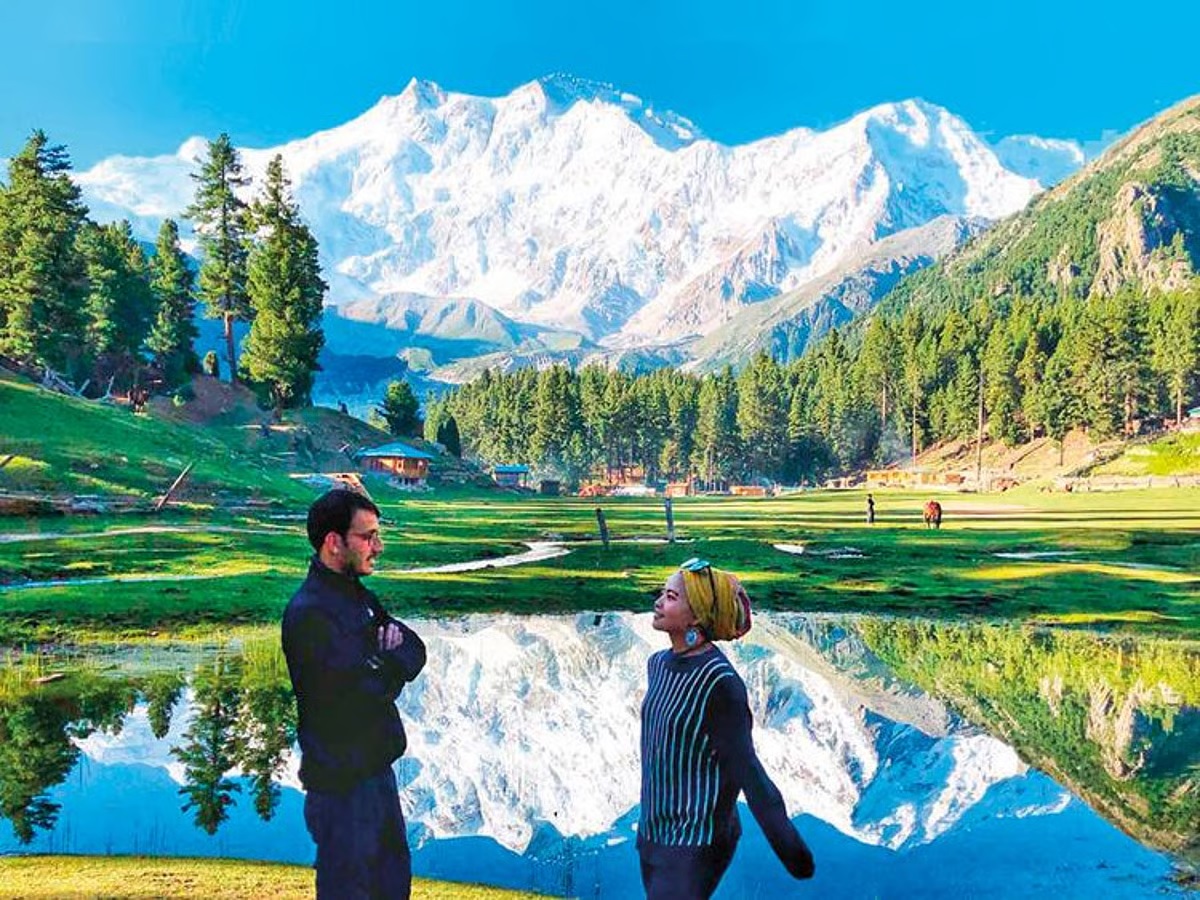
Pakistani travel content creation stands at a pivotal moment. Creators like Rehan Azhar have demonstrated viable models for authentic cultural representation that challenges stereotypes while building sustainable audiences. The trajectory of this content category will shape how Pakistan gets represented globally and how Pakistanis see themselves in digital spaces.
Emerging technologies will transform content creation possibilities. Higher-quality cameras become more affordable, enabling better production values on limited budgets. Virtual reality and 360-degree video offer immersive experiences that transport viewers to locations. Artificial intelligence tools might assist with editing, translation, or content optimization. Adapting to technological changes while maintaining authentic human connection will challenge and opportunity creators face.
The growth of Pakistani internet access expands potential audiences domestically. As more Pakistanis come online, particularly in rural areas and smaller cities, content that previously reached only urban educated audiences can find broader viewership. This expansion might necessitate content adaptations to serve audiences with different backgrounds, expectations, and interests.
International audience development represents significant growth potential. While Pakistani and diaspora viewers form core audiences, international viewers curious about Pakistan or interested in food and travel generally might discover content through algorithmic recommendations. Creating content that serves both Pakistani authenticity and international accessibility requires careful balance without compromising cultural specificity.
Next-generation creators will build on foundations established by current successful vloggers. They’ll bring fresh perspectives, explore underrepresented regions, and experiment with new content formats. Competition will intensify but quality will likely improve as standards rise and audiences develop more sophisticated expectations about production values and content depth.
Platform evolution will continue disrupting established content strategies. New social platforms emerge while existing ones evolve. Short-form video gains prominence alongside traditional long-form content. Live streaming creates real-time engagement opportunities. Successful creators will adapt to platform changes while maintaining core brand identity across format variations.
Monetization innovations might create new revenue opportunities. Subscription-based platforms, cryptocurrency tipping, NFTs, digital products, and other emerging economic models could supplement or replace traditional advertising revenue. Early adopters of successful new monetization methods might gain significant advantages.
The role of travel content in soft diplomacy deserves consideration. Pakistani creators who showcase their country positively influence international perceptions in ways that traditional diplomatic efforts cannot replicate. Authentic personal perspectives from creators resonate more powerfully than official promotional campaigns because audiences perceive them as genuine rather than propaganda.
Environmental awareness will likely influence future travel content. As climate change impacts become more visible and environmental consciousness grows, audiences may demand more sustainable tourism practices. Creators who proactively address environmental concerns and promote responsible travel could lead this shift rather than reacting to audience pressure.
Cultural preservation through digital documentation becomes increasingly important as globalization accelerates. Traditional practices, regional cuisines, and local customs captured in travel videos create permanent records that might help preserve knowledge as societies change. This archival function adds significance beyond immediate entertainment value.
Generational shifts in content consumption affect strategies. Younger audiences raised on TikTok and Instagram have different attention spans and format preferences than millennials who grew up with YouTube. Creating content that appeals across generations while serving platform-specific expectations requires flexibility and experimentation.
The balance between commercial success and artistic integrity will continue challenging creators. Financial pressures push toward proven formulas and sponsor-friendly content, while creative fulf.