
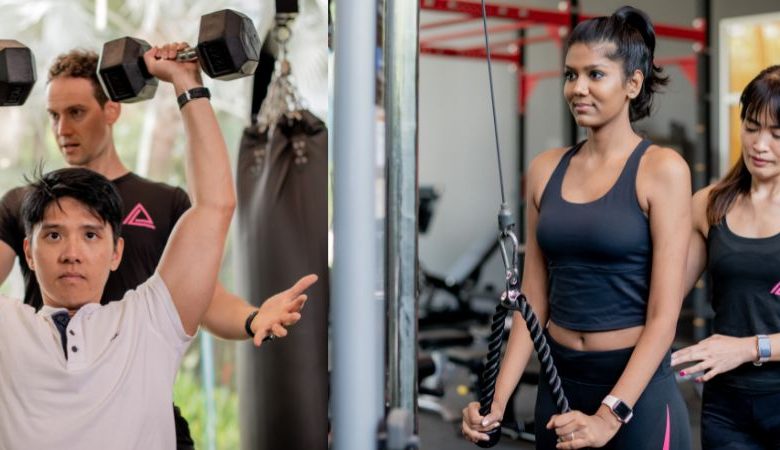
The fitness mindset in Singapore is changing. In the past, many gym-goers focused mainly on appearance, aiming for defined abs or toned arms. Today, more people are training with a purpose that goes beyond looks. The focus has shifted toward long-term health, strength, and mobility. Visiting a gym Singapore is now less about achieving short-term transformations and more about building resilience that lasts a lifetime.
The Shift from Image to Health-Oriented Training
Modern fitness in Singapore reflects a more holistic approach. While aesthetics still matter to some extent, many individuals—especially working professionals and older adults—now prioritise how their bodies function rather than how they look. They want to move freely, stay pain-free, and maintain energy throughout busy workweeks.
This shift is driven by several factors:
-
Increased health awareness due to rising chronic diseases and sedentary work habits.
-
Education from trainers who promote safe, evidence-based methods.
-
Influence of social media experts advocating functional fitness over appearance-focused routines.
-
Aging population trends where maintaining muscle and bone health is a priority.
As a result, Singapore’s gym culture is evolving toward sustainability and health longevity.
The Importance of Strength Training for Long-Term Health
Strength training is the foundation of functional movement. It improves posture, supports joints, and boosts metabolism. More importantly, it helps prevent conditions like osteoporosis, diabetes, and obesity—all increasingly common in Singapore.
The benefits extend beyond physical appearance. Studies show that resistance training reduces stress, enhances sleep quality, and improves cognitive performance. This makes it ideal for professionals managing demanding careers.
Key advantages of strength training include:
-
Better muscle retention with age.
-
Stronger bones and reduced fracture risk.
-
Enhanced cardiovascular efficiency.
-
Improved balance and mobility.
-
Long-term weight management.
These outcomes are essential for maintaining quality of life as Singapore’s population continues to age.
Why Aesthetic-Driven Fitness Is Losing Popularity
While aesthetic training dominated fitness marketing for years, it often led to unsustainable routines and burnout. Many people followed strict diets or overtrained, resulting in fatigue or injury.
The modern fitness movement in Singapore promotes sustainability over perfection. Instead of chasing temporary results, members now seek consistent routines that support health, mental clarity, and daily performance. The goal is not to look fit for a season but to stay strong for decades.
Functional Fitness and Everyday Movement
Functional fitness focuses on exercises that improve real-life movements like lifting, reaching, and twisting. Unlike isolated bodybuilding routines, it strengthens multiple muscles simultaneously.
For Singaporeans with desk-bound jobs, this approach improves posture and reduces back pain. Movements such as squats, planks, and resistance band work enhance flexibility and stability, helping people perform everyday activities effortlessly.
Functional training also benefits older adults who wish to stay independent and agile, reducing the risk of falls or joint stiffness.
Mental Wellness Through Strength Training
Strength training provides psychological benefits that are often overlooked. Lifting weights or completing structured workouts builds discipline, confidence, and resilience. Each session serves as a mental reset—a structured break from work-related stress.
For professionals in Singapore’s fast-paced environment, the gym acts as both a physical and mental sanctuary. The sense of accomplishment after a workout improves mood and motivation, while consistent training fosters long-term emotional stability.
The Role of Trainers in Promoting Longevity-Focused Fitness
Trainers are pivotal in shaping this shift toward longevity. In many Singapore gyms, certified coaches now educate members on sustainable fitness strategies instead of quick fixes.
They focus on:
-
Correct movement patterns and form.
-
Gradual progression rather than overexertion.
-
Integrating strength, flexibility, and mobility into routines.
-
Encouraging recovery and balanced nutrition.
This holistic coaching style empowers members to train safely and effectively across all age groups.
The Nutrition Connection
Strength and longevity cannot be achieved without proper nutrition. A balanced diet that includes lean protein, complex carbohydrates, and healthy fats supports muscle recovery and immune function.
In Singapore, many gyms now collaborate with nutrition consultants to guide members on sustainable eating habits rather than restrictive diets. Proper nutrition complements strength training by ensuring energy stability and long-term body composition improvements.
Preventing Age-Related Decline Through Strength
Muscle loss, known as sarcopenia, typically begins after age 30. Without resistance training, the body loses muscle mass and bone density each decade. This decline affects balance, coordination, and metabolism.
By committing to regular strength training, individuals can slow or even reverse this process. Resistance exercises stimulate the production of bone-forming cells and enhance hormone balance. For older adults, maintaining muscle strength also improves confidence in movement and reduces fall-related injuries.
How Technology Supports Longevity-Focused Training
Technology plays an increasing role in tracking and maintaining long-term progress. Smart gym equipment, wearable trackers, and digital fitness apps allow Singaporeans to measure performance and recovery accurately.
Key advantages include:
-
Real-time data on heart rate, muscle activity, and recovery.
-
Progress tracking to prevent overtraining.
-
Personalised goal adjustments based on results.
This combination of physical effort and digital insight keeps members consistent and accountable.
True Fitness Singapore and the Longevity Training Approach
True Fitness Singapore is a leading example of how modern gyms are aligning with the longevity-focused fitness philosophy. It provides members with structured programmes designed around sustainability, safety, and strength progression.
With certified trainers, advanced equipment, and wellness-oriented classes, True Fitness caters to both beginners and experienced members who want long-term health improvements rather than temporary transformations.
The Long-Term Impact of Strength-Based Fitness
Strength-focused fitness changes how people view ageing and well-being. It empowers individuals to remain active, confident, and capable at every life stage.
This new approach emphasises progress over perfection, balance over intensity, and health over appearance. Singapore’s evolving gym culture shows that fitness success is not about chasing trends but building habits that support vitality, stability, and longevity.
FAQs
Q1: Why is strength training more effective for long-term health than cardio alone?
A: Strength training preserves muscle mass, strengthens bones, and boosts metabolism. It complements cardio by improving endurance and long-term energy levels.
Q2: Can beginners start strength training safely?
A: Yes, with proper guidance. Certified trainers help beginners learn correct form and gradually increase resistance to prevent injury.
Q3: How often should someone train for longevity?
A: Around three to five times a week is ideal, combining strength, flexibility, and active recovery sessions for balance.
Q4: Is heavy lifting necessary for building long-term strength?
A: Not always. Progressive resistance using moderate weights or bodyweight exercises can yield excellent results when done consistently.
Q5: Does strength training help with weight management?
A: Yes, muscle tissue burns more calories even at rest, helping maintain a healthy body composition over time.
Q6: What diet supports longevity-focused training?
A: A balanced intake of protein, whole grains, fruits, vegetables, and healthy fats supports recovery and overall vitality.
Q7: Why are Singaporeans shifting toward strength-focused fitness?
A: Increasing health awareness, ageing demographics, and the desire for sustainable results are driving this shift toward smarter, long-term fitness habits.