
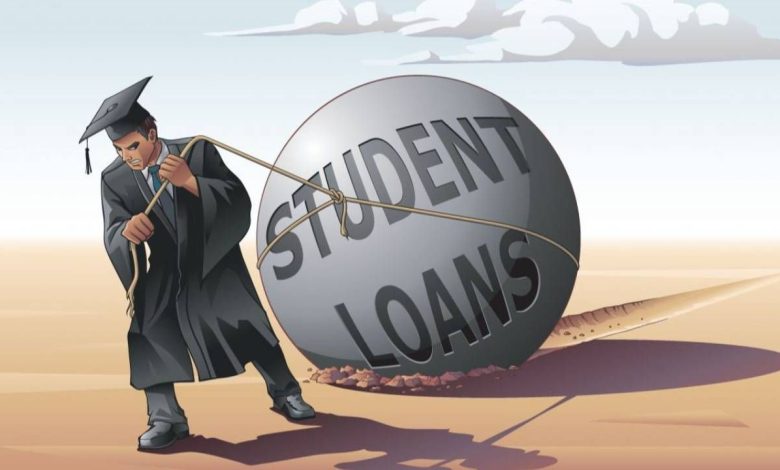
Understanding the Basics: What You Need to Know About Graduate Student Loans
The Differentiation Between Subsidized and Unsubsidized Loans
Graduate student loans can primarily be categorized into two types: subsidized and unsubsidized loans. Understanding the fundamental differences between these two is crucial for any prospective graduate student. Subsidized loans are offered based on financial need, and the government pays the interest on these loans while the student is enrolled at least half-time, during the grace period, and during deferment periods. This means that these loans can potentially offer significant financial relief, especially to students who are already navigating a tight budget due to tuition and other educational expenses.
Conversely, unsubsidized loans are available to all graduate students regardless of financial need. However, the key distinction is that interest accrues on unsubsidized loans as soon as the loan is disbursed. This means not only are you responsible for the principal when you begin repayment, but also any interest that has accrued during your studies. For this reason, unsubsidized loans can end up being considerably more expensive in the long run if borrowers do not manage their interest payments while in school effectively. Understanding whether you might qualify for subsidized loans can significantly impact your financial strategy during graduate school.
How Interest Rates Work and Why They Matter
Interest rates are a pivotal aspect of graduate student loans that every student must understand, as they directly affect the total repayment amount over time. Federal graduate student loans typically have fixed interest rates, which means the rate remains consistent throughout the life of the loan. This provides a sense of financial predictability, allowing students to plan their budgets with certainty.
Private student loans, on the other hand, may offer either fixed or variable interest rates, and rates can differ dramatically among lenders. When evaluating loans, it is essential to compare interest rates and not just the initial figures but how they may change over time if they are variable rates. Additionally, students should be aware of the concept of capitalization, where unpaid interest is added to the principal balance, leading to a more significant overall debt burden. A clear comprehension of how interest rates impact finances throughout and after graduate school is critical for effective financial planning.
Federal vs. Private Loans: Making the Right Choice
Choosing between federal and private student loans is a significant decision that can affect your financial future. Federal loans generally offer more beneficial terms compared to private loans. They often have lower interest rates and more flexible repayment options, including income-driven repayment plans and potential loan forgiveness programs. For students who are uncertain about their financial future, federal loans are often regarded as the safer option to pursue.
Private loans, while sometimes necessary to cover educational expenses that exceed federal loan limits, usually come with stricter credit requirements, less favorable repayment terms, and no forgiveness options. Therefore, borrowers must weigh the necessity of private loans alongside the accompanying risks. It’s also vital to factor in how your job prospects post-graduation match up against your potential debt. Conducting thorough research, and perhaps consulting with a financial advisor, can provide valuable insights tailored to your individual circumstances.
Decoding Loan Terms: From Grace Periods to Deferments
Timing is Everything: Navigating Grace Periods Post-Graduation
Once graduation is achieved, understanding the concept of grace periods can be extremely beneficial for managing student loans. A grace period is the time frame after graduation typically six months for federal student loans during which a borrower is not required to make payments. This period is crucial for new graduates to transition into the workforce and should be utilized wisely. Graduates should recognize the importance of making any extra payments during this time, as doing so can help lessen the principal amount and ultimately reduce interest accrued over the lifetime of the loan.
In some instances, graduate students may find that their programs allow for longer grace periods, particularly in specific fields of study. It’s advisable to thoroughly review the terms specified by your loan servicer regarding these grace conditions. Additionally, students should leverage this time to create a comprehensive budgeting plan that accommodates their loan repayments once the grace period concludes. Realizing that this time is limited can motivate graduates to find a job expediently, ensuring they can meet their financial commitments effectively.
The Art of Deferment and Forbearance: What’s the Difference?
Understanding deferment and forbearance is essential for graduate students who may face financial hardships. Both options allow borrowers to pause their payments temporarily, but they differ significantly in their implications for interest accrual. Deferment allows you to temporarily suspend payments without accruing interest on subsidized loans. However, for unsubsidized loans, interest continues to accrue during this period, meaning that the total amount owed increases.
Forbearance, on the other hand, permits students to stop making payments for a limited time, but all loans both subsidized and unsubsidized will continue to accrue interest. Both avenues can provide immediate financial relief, but they should be approached as strategies of last resort. Using them can increase your total loan balance, potentially leading to higher monthly payments once you resume repayment. Therefore, it’s imperative to explore all available resources and options, including talking to your lender about alternative payment plans before resorting to deferment or forbearance.
Loan Forgiveness: Myth vs. Reality in Graduate Studies
Loan forgiveness often garners attention, with many aspiring graduates hoping that their student loans might be alleviated upon entering the workforce. While certain professions may qualify for loan forgiveness programs, such as those working in public service or education, the reality is that securing forgiveness is often more complex than simply fulfilling job requirements. Graduate students should diligently research specific programs that offer loan forgiveness and understand the criteria, such as years of qualifying payments and employment conditions, that must be met.
Another common misconception is that all student loans qualify for forgiveness. In reality, many federal programs are often tied to Direct Loans, and private education loans do not offer any form of forgiveness, which can lead to unexpected financial burdens. Thus, an informed approach is critical for any graduate student hoping to leverage forgiveness as part of their financial strategy. Staying updated on changing legislation and programs is essential as federal policies regarding loan forgiveness can shift, impacting qualifications and available programs.
Repayment Strategies: Finding Your Path to Financial Freedom
Choose Your Adventure: Standard, Income-Driven, and Alternative Plans
When it comes to repaying student loans, distinguishing between various repayment plans is vital. The standard repayment plan is the default option for most borrowers, featuring fixed payments over a period of ten years. This plan is advantageous for those who can manage a higher monthly payment and want to pay off their loan as quickly as possible, ultimately paying less in interest over time.
However, for many graduate students, an income-driven repayment plan may be more appealing, as it bases monthly payments on their earnings, ensuring payments remain manageable even if income fluctuates or begins low. Plans such as Revised Pay As You Earn (REPAYE), Pay As You Earn (PAYE), and Income-Based Repayment (IBR) offer flexibility and potential loan forgiveness after 20 to 25 years. Identifying which plan aligns with your financial situation and career path is critical in crafting a sustainable repayment strategy.
Snowball vs. Avalanche: Which Repayment Strategy Works for You?
When it comes to paying off multiple loans, two popular strategies are the snowball method and the avalanche method. The snowball method involves paying off your smallest debts first, which can create a psychological win and encourage continued efforts toward debt reduction. This method is particularly effective for borrowers who seek motivation through visible progress.
The avalanche method, on the other hand, focuses on prioritizing debts with the highest interest rates. This strategy can save money over time by minimizing the interest paid. Evaluating both methods involves assessing your financial behavior. If motivation through small victories is essential, the snowball approach may be more effective. Conversely, if maximizing efficiency and minimizing total debt is paramount, the avalanche method could yield better long-term results. Ultimately, finding a strategy that resonates with your financial psychology and circumstances is critical for success.
How to Stay Organized and On Track: Tools and Resources for Repayment
Organization is paramount when it comes to repaying student loans. Many borrowers find that digital tools and resources can keep their repayment strategy on track. Apps like Mint and YNAB (You Need a Budget) can assist in creating budgets that incorporate loan repayments while enabling visibility of overall financial health. Additionally, loan servicers often offer online portals where borrowers can track their loans, payment history, and remaining balance, making it easier to stay informed about due dates.
Beyond technology, forming a support system with financial advisors or fellow graduate students can provide essential accountability and advice for repayment strategies. Professional counselors and workshops tailored to student debt can further offer personalized guidance and education that can be invaluable throughout the repayment process. By adopting a proactive approach to organization and maintaining open lines of communication with your loan servicer, you can make steady strides toward financial freedom.
Maximizing Your Graduate School Experience: Scholarships, Fellowships, and Grants
Beyond Loans: The Hidden Benefits of Scholarships and Fellowships
As graduate students weigh their financing options, exploring scholarships and fellowships can lead to significant financial savings. Scholarships, often awarded based on merit or specific criteria, can substantially reduce educational costs without the obligation of repayment. Many institutions, private organizations, and government programs actively seek to fund graduate education through targeted scholarships designed to support diversity, academic excellence, or unique fields of study.
Fellowships, on the other hand, often encompass both financial aid and opportunities for professional development, which can enrich a student’s academic experience. They may provide living stipends, tuition coverage, as well as opportunities for research, teaching, or leadership roles in one’s field. Being proactive in this pursuit not only reduces the financial burden but also enhances a graduate student’s resume, making it especially beneficial in a competitive job market. Engaging with campus resources, attending workshops, and networking with faculty can unveil avenues for securing such awards and make a significant impact on one’s financial situation.
Writing Winning Proposals: Tips for Securing Grants
Securing grants often requires a unique skill set, particularly when articulating the objectives of research or study in proposal form. Crafting a compelling proposal hinges on clear communication of goals, methodology, and potential impact. Prospective grant applicants should invest time in understanding the specific requirements and expectations of the funding agency they are targeting, and tailor their proposals accordingly.
In successful proposals, clarity and conciseness are paramount presenting a structured argument that speaks to the relevance and importance of the proposed work. Personal narratives that reflect passion for the subject matter, along with solid data supporting the project’s feasibility, will significantly strengthen a grant proposal. Engaging peers, faculty, or mentors for feedback can also enhance the proposal’s quality and submission readiness. Furthermore, many universities offer grants, workshops and seminars, which can be invaluable for gaining insights and practical tips for crafting successful applications.
Networking for Financial Aid: Leveraging Connections in Academia
Networking is not just essential for job prospects after graduation; it can also play a significant role in securing financial aid during graduate studies. Engaging with professors, industry professionals, and alumni can open pathways to exclusive funding opportunities that may not be widely advertised. Many academic institutions have foundations or trusts specifically aimed at supporting current students, which can be accessed through faculty recommendations or direct communication.
Moreover, attending conferences, research symposiums, and academic meetups can facilitate connections with key stakeholders in a student’s field. A proactive approach to networking can lead to discussions around funding opportunities, grant programs, and mentorships, which can yield both financial and academic benefits. Assembling a network of support not only enriches the academic experience but also creates avenues to secure vital funding as students progress through their graduate careers.