
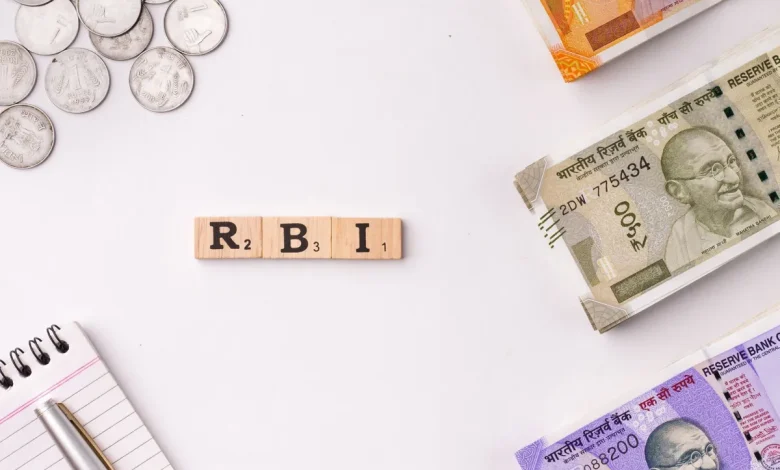
Your savings can grow faster than you think, and one key factor behind it is the RBI repo rate. This rate, set by the Reserve Bank of India, influences how banks calculate interest, including the Savings Account interest rate you earn.
When the repo rate changes, it can create opportunities for your money to work harder for you. Understanding this link helps you make informed choices and get the most from your savings. By keeping an eye on these trends, you can plan smarter and enjoy the benefits of your growing account balance.
Understanding the Repo Rate and Its Purpose
The repo rate is the interest rate charged by the RBI on the basis of which the commercial banks borrow money. When inflation rises too fast, RBI raises this rate to control the money supply. When the growth is slow, the rate becomes lower so that borrowing becomes less expensive and spending is easy.
This change directly affects how banks price their loans and offer interest on deposits. When their cost of borrowing goes up, banks need more deposits to stay liquid. That is when they may offer better Savings Account interest rates to attract depositors.
So even if you are not a borrower, the repo rate still affects your returns.
Why Banks May or May Not Pass on the Change?
Not all banks react the same way to policy changes. Some pass on the benefits to depositors almost immediately. Others delay the change or offer it only to a specific balance tier. This makes it hard for the average account holder to know what their money is really earning.
For instance, some banks adjust their Savings Account interest rate within days of a new repo rate announcement. Others take weeks to reflect the update or revise only for Fixed Deposits, while leaving savings accounts unchanged.
Impact on Different Types of Deposits
Fixed deposits are term-based, so banks often adjust their rates based on tenure and deposit size. Savings account interest rates, on the other hand, are designed to grow steadily while giving you easy access to your money for daily transactions. This balance helps you earn interest consistently, while still keeping your funds flexible and available whenever you need them.
Nonetheless, in the case of individuals who hold large sums of money in a Savings Account, a 0.5 % change in rate of interest would have a bigger impact on the total interest gained over a period of time. Some banks now offer step-based structures where higher balances are rewarded with better interest rates. This model works well for people who prefer liquidity along with better returns.
What You Should Do When Repo Rates Change?
When the RBI changes the repo rate, it is worth checking if your bank has responded. Visit the official website or open the banking app. See if there has been a revision in the Savings Account Interest Rate. If nothing has changed, compare what other banks are offering.
A few banks have built clear digital dashboards where customers can view latest interest rates. Additional features like timely notifications and interest-earning calculators elevate the final user experience.
Simple Ways to Earn More Without Extra Risk
You do not need to switch banks every time the repo rate changes. However, staying alert helps to streamline long-term financial decision-making. Move excess funds into higher interest options if your primary Savings Account is not rewarding you fairly. Keep a portion for emergencies and transfer the rest into a higher-yielding account.
Final Thought
In short, the RBI repo rate plays an important role in shaping how your money grows, even in a regular Savings Account. By understanding how banks respond to rate changes, you can make smarter choices about where to keep your funds and how to maximise returns. Paying attention to these trends turns small changes into meaningful benefits for your financial future.
Reputable banks like DCB Bank make this easier by offering transparent rate updates, digital dashboards, and tools that help you track and optimise your earnings effortlessly.