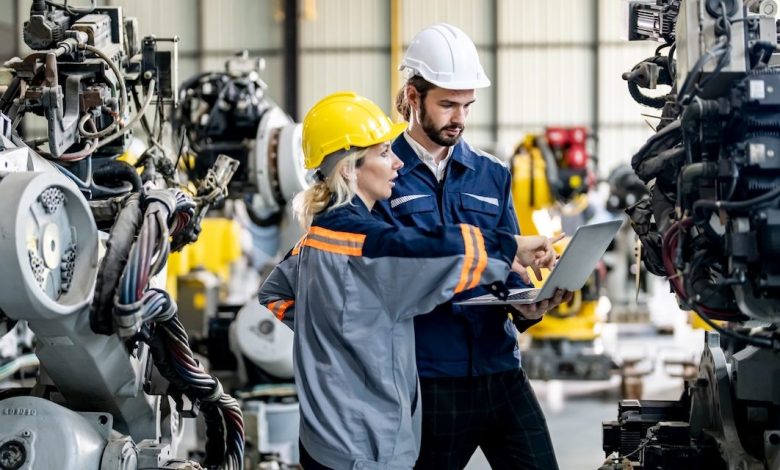
Manufacturing floors are highly busy with constant shifts and changing requirements. Production demand can suddenly evolve, or project timelines may be shortened. As a result, the workforce requirements can look very different from one quarter to the next.
To tackle it right, many businesses are now partnering with a dependable job staffing agency to avoid unwanted delays. These solutions can help in filling roles that directly affect production schedules with relative ease.
Over the life of an evolving manufacturing business, strong hiring support becomes part of day-to-day operations rather than a one-time hiring decision. Let’s explore this further.
How Hiring Pressure Looks on the Production Floor?
An open position in an office may remain vacant for a while and might not cause immediate operational disruption. But manufacturing hiring has a nuance, and it usually comes with a strict time frame attached.
Thus, the absence of machine operators, technicians, warehouse personnel, or maintenance staff can significantly delay meeting production targets and can also create scheduling issues.
As a result, many organizations have begun relying on staffing solutions, which help reduce the time spent on repetitive hiring tasks. Recruiters often take on time-consuming tasks such as sourcing, initial screening, and candidate assessments before profiles even reach the employer.
Many production/manufacturing teams may also turn to outside hiring support for situations such as:
- Seasonal demand increases
- Temporary production expansions
- Short-term projects
- Unexpected employee absences
- Hard-to-fill skilled trade positions
Staffing Support For Industrial Hiring
Industrial hiring doesn’t stop at collecting resumes. Employers need workers who can handle specific environments and the technical job requirements. A job staffing agency typically draws on an existing network of pre-vetted talent. This can help shorten the search process.
Here are some common areas of support:
- Candidate sourcing and pre-screening
- Skills checks for the role-specific requirements
- Temporary and contract hiring options
- Faster replacement in case the positions suddenly reopen
- Possible payroll and administrative support in certain arrangements
Specifically for operations teams, this often means less time spent on back-and-forth hiring activities and more attention to production priorities.
Weighing the Pros and Cons
Pros
- Faster access to the available, pre-vetted workers
- More flexibility with contract hiring during demand changes
- Reduced hiring workload for the internal teams
- Access to specialized industrial talent pools with updated skillsets
Cons
- External recruiters may need time to learn the company-specific workflows
- Temporary workers sometimes require additional onboarding assistance
- Hiring costs can vary depending on workforce requirements
The right staffing solution often depends on your firm’s production goals. Additionally, the urgency around open roles and the workforce planning needs determine whether traditional hiring or staffing agencies are better suited.
Final Thoughts
Production schedules cannot pause while hiring tries to catch up. That’s why companies increasingly look for hiring approaches that provide flexibility and reduce any delays, especially when the workforce needs to change quickly.
Here, consistent staffing support can help maintain continuity while also giving internal teams more room to focus on the operational aspects.