
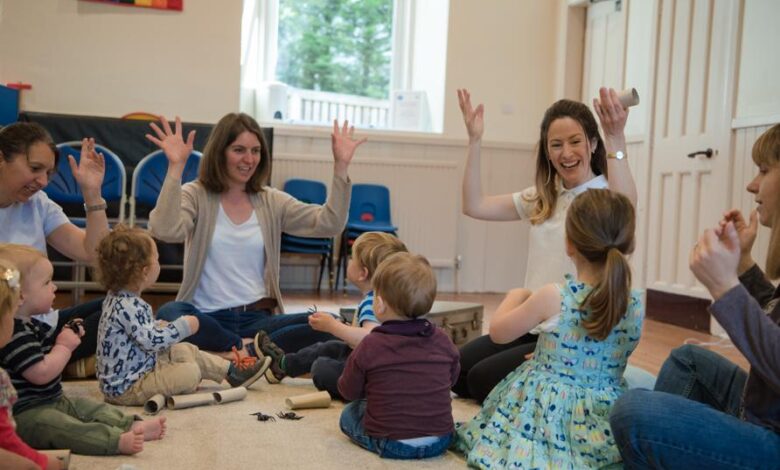
Introducing a second language at an early age is a gift that can shape a child’s future in profound ways. Among all languages, learning French offers cultural richness, global reach, and cognitive benefits. But how do we make this process smooth and enjoyable for toddlers who are still mastering their native tongue? The answer lies in embracing their natural learning methods: play, repetition, music, and immersion. For parents in Dubai and other multicultural hubs, specialised programmes like Les Pitchounes provide a tailored environment to nurture language skills in toddlers through fun and meaningful engagement.
Unlike formal schooling, toddler education thrives in flexible, sensory-rich, and emotionally engaging environments. That’s why successful French learning for young children requires strategies that align with their developmental stage. From interactive storytelling to movement-based games, this article explores powerful, research-backed techniques and real-world tools to help toddlers learn French more easily and more effectively.
Why Start Learning French at a Young Age?
Toddlers possess a unique ability called neuroplasticity, which enables their brains to absorb languages effortlessly through exposure and imitation. Here are some compelling reasons to start French during this stage:
- Phonetic flexibility: Toddlers can distinguish and reproduce sounds that adults struggle with.
- Accent development: Early learners often pick up near-native accents.
- Natural curiosity: At this age, children are eager to explore new words and concepts.
- Long-term benefits: Bilingualism strengthens problem-solving, creativity, and empathy.
French, in particular, is a phonologically rich and expressive language. Introducing it early allows toddlers to integrate it naturally into their thought patterns without resistance or confusion.
Creating a French-Rich Environment at Home
Consistency is key in language acquisition. Parents can transform everyday routines into French-learning opportunities by:
- Labelling household items: Use French stickers for objects like “la chaise” (chair), “la porte” (door), “le jouet” (toy).
- Singing French nursery rhymes: Classic songs like Frère Jacques or Sur le Pont d’Avignon are catchy and introduce grammar, rhythm, and pronunciation.
- Using French during routine activities: For instance, say “Allons nous laver les mains!” (Let’s wash our hands!) before meals.
- Displaying French storybooks: Interactive books with textures, flaps, and vivid illustrations engage toddlers while building vocabulary.
The goal is not to translate but to gradually associate words with actions and objects through repetition and routine.
Language Through Play: Toddlers’ Natural Path to Learning
Play is not just recreation; it’s how toddlers explore and understand their world. Integrating learning French into playtime makes the process fun, engaging, and memorable.
Best Practices for Play-Based French Learning
- Pretend Play: Role-play using props like kitchen sets, animals, or dolls with French dialogue. Use phrases like “Bonjour, tu veux du lait?” (Hello, do you want some milk?).
- Action Songs: Combine movement with music to reinforce vocabulary. Songs like “Tête, épaules, genoux, pieds” (Head, Shoulders, Knees, and Toes) help link words to body parts.
- French Puzzle Games: Use puzzles with the French alphabet, animals, or everyday items.
- Interactive Apps: Child-safe apps such as Gus on the Go or Pili Pop introduce vocabulary and pronunciation with colourful characters.
Through these methods, toddlers connect sounds and meanings in real time, reinforcing memory and understanding.
Importance of Repetition and Predictable Structure
Toddlers learn best when their environment is structured yet repetitive. Language routines create stability and build confidence.
- Morning routines in French: Start the day with a consistent French greeting, song, and phrase.
- Storytime: Read the same French book daily for a week. Repetition strengthens recognition and anticipation.
- Weekly themes: Focus on one category per week (e.g., animals, colours, numbers). Introduce related songs, stories, and flashcards.
Predictability creates a safe learning environment. It encourages toddlers to experiment and participate without fear of getting it wrong.
The Role of Music and Rhythm in Language Retention
Music is a cornerstone of toddler learning. It provides rhythm, melody, and emotional connection, all of which enhance memory.
Why Music Helps Toddler French Learning
- Enhances pronunciation: Singing reinforces correct intonation and fluidity.
- Boosts vocabulary retention: Repeating catchy lyrics helps toddlers remember new words.
- Encourages participation: Music naturally invites movement, dance, and expression.
Some great French music resources for toddlers include:
- Comptines et chansons albums on Spotify or YouTube
- Bilingual CDs from French children’s artists like Alain Le Lait
- Musical toys that sing in French
Integrating music into bath time, car rides, or bedtime can turn passive moments into active learning sessions.
Choosing the Right French Programmes for Toddlers
While at-home learning is invaluable, structured programmes offer professional guidance, peer interaction, and cultural immersion. For families in the UAE, Les Pitchounes offers an age-appropriate curriculum designed specifically for toddlers.
What Makes Les Pitchounes Effective?
- Native-speaking teachers: Children absorb authentic pronunciation and expressions.
- Immersive environment: Lessons are conducted entirely in French using visual aids, songs, crafts, and games.
- Small class sizes: Allow individual attention and bonding.
- Cultural integration: Celebrates French traditions, festivals, and customs in a playful way.
Choosing such a programme can provide the social and immersive context toddlers need to internalise the language naturally.
Incorporating French Into Everyday Conversations
Parents don’t have to be fluent to raise a French-speaking toddler. By integrating basic phrases and vocabulary into daily interactions, they reinforce what’s taught in class or at daycare.
Useful Everyday French Phrases for Parents
- “Tu veux du lait ?” – Do you want some milk?
- “C’est l’heure de dormir.” – It’s time to sleep.
- “Bravo !” – Well done!
- “Où est ton nounours ?” – Where is your teddy bear?
- “On y va !” – Let’s go!
Children mimic what they hear regularly. Using these expressions in routine scenarios helps toddlers build comprehension passively and comfortably.
Encouraging Social Interaction in French
Language is meant to be social. Creating opportunities for toddlers to use French with peers deepens engagement and boosts fluency.
- Arrange French playdates: Connect with other families learning French or native French speakers.
- Attend bilingual storytimes or French toddler events.
- Join online or offline parent groups focusing on bilingual upbringing.
Interactive settings make language feel useful and relevant. They also help toddlers gain confidence in using French in a supportive social context.
Overcoming Common Challenges
Every toddler is different, and so is their pace of learning. Parents might face hurdles like reluctance, mixing languages, or short attention spans.
Strategies to Handle Setbacks
- Be patient: Never force a child to speak French. Continue exposure without pressure.
- Celebrate small wins: Praise even one-word responses like “bonjour” or “merci”.
- Avoid comparison: Each child’s language journey is unique.
- Mix languages strategically: It’s okay to blend languages at first. Gradually increase French usage over time.
Consistency, encouragement, and enjoyment are more effective than perfection. Children need emotional safety to experiment with new language skills.
The Power of Visuals and Multimedia
Toddlers are visual learners. Tools that combine images, sounds, and interaction help them grasp abstract concepts more easily.
Effective Visual Resources
- French cartoons: Age-appropriate shows like Petit Ours Brun, Trotro, and Les Titounis.
- Flashcards: Use printable or digital cards with vivid images and clear labels.
- Storybooks with audio: Books that come with read-aloud recordings help toddlers follow pronunciation and pacing.
Parents should screen content to ensure it’s aligned with age, tone, and learning goals.
Building a Long-Term Relationship With the French
Language acquisition is not a sprint. It is a lifelong journey. The habits, exposure, and enjoyment built during toddlerhood can lay a foundation for future fluency.
Keep the Momentum Alive
- Enrol in French kindergarten or bilingual schools when possible.
- Visit Francophone countries or join cultural festivals.
- Keep French books, media, and games in rotation as the child grows.
A toddler who starts learning French in a nurturing, playful environment is more likely to continue exploring the language with curiosity and joy.
By aligning language learning with the natural tendencies of toddlers: play, repetition, emotional bonding, and sensory engagement, parents can make learning French not only easier but truly delightful. Through local programmes like Les Pitchounes and a supportive home atmosphere, young children can begin their journey into bilingualism with confidence and wonder.
Let French become a second first language, effortlessly integrated and joyfully embraced.