
The True Cost of Energy Insecurity: Why Homeowners Are Turning to Solar with Freedom Forever Solar

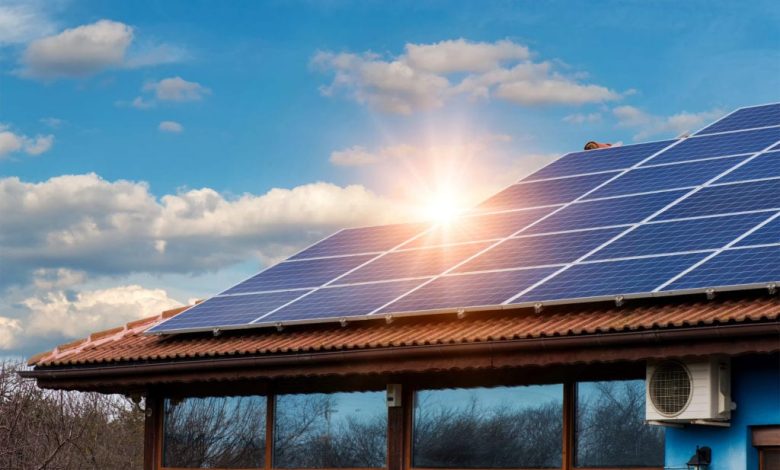
Unpredictable utility costs and a fragile electric grid have pushed energy insecurity to the forefront of household concerns. As weather extremes increase and infrastructure strains under rising demand, homeowners are searching for ways to protect their budgets and maintain reliable access to power. Freedom Forever Solar, one of the nation’s largest residential solar providers, is part of a growing movement that helps families control how they generate and manage energy.
This shift reflects a larger reality. The traditional energy model no longer guarantees stability. Households are facing volatile electricity prices and power interruptions that affect daily life. Solar energy has emerged as a practical response, enabling people to take charge of their energy future through distributed generation.
Energy Costs on the Rise
Electricity prices have risen steadily over the past decade, driven by supply chain disruptions, fluctuations in fossil fuel prices, and increased grid maintenance expenses. Homeowners are feeling the impact of higher monthly bills that can fluctuate without warning. Seasonal spikes add another layer of unpredictability, making household budgeting more difficult.
In many regions, utilities have introduced time-of-use rates that increase costs during peak demand hours. These structures are designed to manage grid loads, but they also put financial pressure on families that rely on electricity essentials such as heating, cooling, and charging electric vehicles. For households already managing tight budgets, these unpredictable costs can create significant financial stress.
Grid Reliability Concerns
Beyond rising prices, grid instability has become a growing concern. Aging transmission infrastructure, severe weather events, and regional capacity shortfalls have led to more frequent outages. In some areas, rolling blackouts have become part of seasonal planning, while other communities face sudden disruptions due to storms or equipment failures.
For homeowners, these interruptions are more than inconvenient. Extended outages can lead to food spoilage, interrupted medical equipment operation, and disrupted work-from-home routines. The increasing frequency of these events has prompted many households to reconsider their reliance on centralized power.
Distributed Solar as a Stability Strategy
Residential solar offers a way for households to stabilize their energy costs and reduce vulnerability to grid disruptions. By generating electricity on-site, homeowners can offset their utility bills and reduce their reliance on fluctuating market prices. When paired with battery storage, solar systems can provide backup power during outages, keeping essential appliances and systems running when the grid fails.
This decentralized approach spreads energy production across communities rather than concentrating it in large power plants and transmission lines. The result is a network of homes that can support themselves and, in some cases, generate excess power that can be supplied back to the grid. It strengthens both household resilience and regional energy security.
Homeowners Seek Predictability
For many families, the appeal of solar energy lies in its ability to stabilize household budgets. Fixed or predictable energy costs over the life of a solar system make financial planning easier. Incentives and financing options have lowered the barrier to entry, allowing more homeowners to invest in solar without taking on significant upfront expenses.
This sense of control stands in sharp contrast to the uncertainty of utility pricing and grid reliability. With solar energy, households can forecast their energy expenses with greater accuracy, thereby reducing their exposure to market volatility.
The Proof of Impact
Customer experiences provide clear insight into how solar addresses energy insecurity. Freedom Forever reviews often highlight the company’s ability to provide consistent project updates and transparent communication. Homeowners frequently cite these qualities as reasons they feel confident in their decision to adopt solar energy.
These reviews reflect a broader trend within the industry. As companies refine their operations and communication strategies, homeowners gain confidence in adopting solar as a long-term solution.
Policy and Regulatory Context
Public policy plays a central role in shaping the landscape for residential solar adoption. Federal incentives, such as the Residential Clean Energy Credit, have helped bridge the affordability gap, making solar energy accessible to middle-class families. State-level programs and net metering policies have further encouraged adoption by ensuring homeowners receive fair compensation for excess energy sent to the grid.
At the same time, regulatory challenges can create uncertainty. Sudden changes to net metering structures or incentive programs risk slowing momentum. Long-term policy stability is essential for sustaining household adoption and supporting the companies that build and maintain these systems.
Economic and Industry Impact
Residential solar is more than just a household investment. It supports local economies and skilled trades. Installers, electricians, and project managers form the backbone of the sector, working in communities nationwide. Stable demand for solar projects creates durable employment and drives local economic activity.
Financial institutions have also taken notice of the issue. Companies that demonstrate reliable project records and clear operational systems are more likely to attract investor support. Transparent processes and consistent performance reduce perceived risk, encouraging further investment in residential solar.
Technology and Homeowner Confidence
Technological advancements have made residential solar systems more efficient and reliable. Modern inverters, monitoring platforms, and storage options give homeowners visibility into their energy production and usage. Customer-facing portals allow households to track their system’s performance in real-time, providing reassurance that their investment is functioning as intended.
A Future Defined by Energy Independence
As energy markets continue to face volatility, distributed solar positions enable homeowners to take a more active role in securing their energy needs. By producing power on their own rooftops, families can buffer themselves against unpredictable utility prices and grid disruptions. Communities with higher levels of residential solar adoption can also contribute to grid stability by reducing peak demand and supporting local resilience. This shift does not eliminate the role of the centralized grid, but it changes the balance. Households become active participants in energy production rather than passive consumers, strengthening both individual security and collective reliability.
The actual cost of energy insecurity is measured in more than dollars, including the disruptions it creates in daily life. Rising prices, aging infrastructure, and unpredictable outages have left many homeowners seeking more reliable and affordable options. Residential solar has emerged as a practical strategy to stabilize household budgets, increase energy independence, and support local economies.
Other leading providers are helping families make this shift by delivering systems that bring both financial predictability and operational reliability. As more homeowners turn to solar energy, the future of energy in the United States may increasingly be defined by rooftops and neighborhoods, not just distant power plants.