
Veteran Advantage: Sonoran Desert Institute Highlights the Power of Military Experience in Today’s Job Market

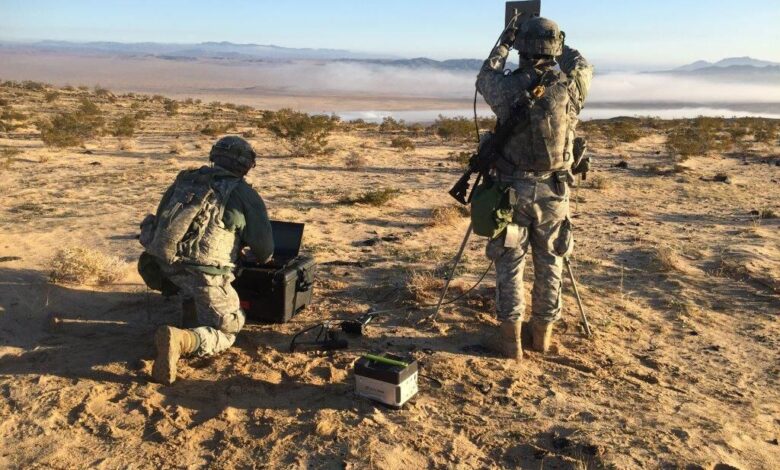
Service members leave the military with more than discipline. They bring hands-on technical training, leadership experience and a deep commitment to performance, strengths that align perfectly with today’s most in-demand careers in skilled trades and technical fields. Sonoran Desert Institute (SDI), accredited by the Distance Education Accrediting Commission (DEAC), helps veterans turn these strengths into civilian success, through targeted programs that build on existing skills and prepare them for real-world roles.
From drone operations and IT support to firearm maintenance and logistics, many veterans are finding meaningful second careers that reward the same qualities they honed in uniform. With flexible, career-focused training, these paths are not only possible but increasingly practical and rewarding.
Why Veterans Excel in Skill-Based Careers
Veterans have always worked in environments where precision, structure and accountability are essential. These traits are not only transferable but also highly sought after in fields that require safety, technical accuracy and reliable problem-solving.
Many veterans already have the practical experience that employers need, whether maintaining aircraft, managing supply chains or securing communications systems. What they often lack is a civilian credential that helps translate that experience into job qualifications.
Skill-based training fills that gap, offering certifications that validate existing knowledge, while teaching new techniques tailored to industry standards.
Training That Builds on Experience
Veterans don’t want to start from scratch, and they shouldn’t have to. Effective training programs take into account the skills service members already have. They offer accelerated tracks, focus on hands-on application and use familiar systems of structure and feedback.
The institute offers training that respects prior service and focuses on career readiness. It affirms the value of applied learning and supports veterans in gaining certifications that reflect both their technical ability and their leadership strengths.
By focusing on skill development instead of abstract theory, these programs help veterans make a smooth transition into civilian roles, where they can immediately contribute. This focus on direct application allows former service members to enter the workforce with confidence and credibility, often in less time than traditional education paths.
Fields Where Veterans Are Thriving
Many industries recognize the value of military experience, which often translates directly into civilian job readiness. Veterans are especially well-suited for careers that demand precision, accountability and hands-on technical skills. Below are some top fields where veterans are finding success, some of which are supported by targeted and flexible online coursework at institutions, like SDI.
Drone Operations
Veterans with backgrounds in surveillance, aviation systems or uncrewed aerial platforms are a natural fit for commercial drone operations. With training and certification, they can transition into careers in construction, emergency response, environmental monitoring and infrastructure inspection. The institute supports this pathway through its Uncrewed Technology Aerial Systems online coursework, which prepares students for FAA compliance and mission planning roles.
Cybersecurity and IT Support
While the institute does not offer cybersecurity training, many veterans with experience securing communications systems are finding opportunities in the IT and cybersecurity fields. Industry certifications, such as CompTIA Security+ or Network+, provide a fast entry point into this growing field, where vigilance and reliability in core military values are highly prized.
Firearm Technology and Gunsmithing
Familiarity with firearm maintenance and safety gives many veterans a strong foundation for careers in gunsmithing. SDI offers nationally accredited firearms technology coursework, allowing veterans to gain advanced skills in repair, modification and customization. Many graduates go on to open their shops or work with retailers, collectors or law enforcement agencies.
Mechanical and Technical Trades
Fields like HVAC, diesel mechanics and electrical work appeal to veterans with mechanical aptitude and systems knowledge. These trades offer clear advancement paths, competitive wages and structured work environments. While the institute does not currently offer this coursework, many technical institutions, nationwide, provide fast-track certification options tailored to veterans.
A Quicker Path to Employment
One of the biggest advantages of skill-based careers is how quickly veterans can move from training to employment. Many certification programs take less than a year, and some can be completed in a matter of months.
Compared to traditional four-year degrees, these programs save time, reduce costs and offer a faster return on investment. For veterans ready to re-enter the workforce, this speed matters. They can support their families, build new goals and establish stability, without years of delay.
Financial Support That Eases the Transition
Thanks to benefits like the GI Bill*, many veterans can attend approved training programs at little or no out-of-pocket cost. It allows them to pursue a new career path, without incurring debt or delaying income.
Combined with remote learning options, this flexibility makes technical education accessible for veterans wherever they live, whether they’re returning to their hometown or starting fresh in a new region. Many programs also provide access to career services and tools that help with everything from résumé writing to interview coaching.
Support That Goes Beyond the Classroom
Transitioning to civilian work involves more than mastering new skills. It also means adjusting to a new culture and building a new identity outside of the military. The best programs support this process with job placement assistance, peer networks and guidance throughout the transition.
Veterans often need help translating their experience into civilian terms. They also benefit from mentorship and coaching from instructors who understand both their strengths and the challenges they face. When programs offer both technical knowledge and personal support, they create a foundation for long-term success.
Veteran Success Stories
Across the country, service members are turning technical training into thriving careers. One former aircraft technician now uses drones to survey infrastructure for a utility company. Another veteran completed a gunsmithing certification and opened a custom repair shop. A former communications specialist is now working full-time in IT support for a logistics company.
In all of these cases, military experience laid the foundation. With the right training, veterans were able to build on that base and move forward with clear direction and purpose. These stories are no longer rare. They reflect a broader shift as more employers recognize the value of skilled, dependable veterans.
As more veterans return to civilian life, the demand for career-focused training that respects their background can continue to grow. Skill-based careers offer clear, practical paths that build on existing strengths and lead to high-paying, meaningful work.
By offering flexible, industry-aligned programs that prepare veterans for success, institutions believe military service is a foundation to build on, not a chapter to leave behind. For veterans looking to transition with purpose and confidence, the future is built on skills, not just service, and it starts with the right training.
* GI Bill® is a registered trademark of the U.S. Department of Veterans Affairs (VA). More information about education benefits offered by VA is available at the official U.S. government website at https://www.benefits.va.gov/gibill.