
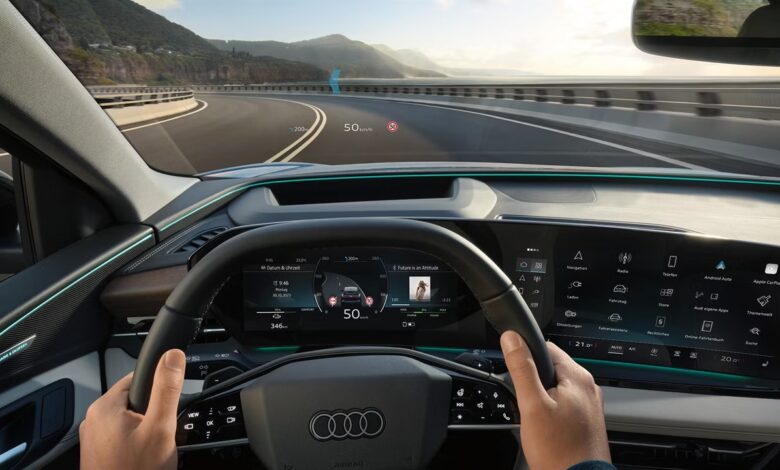
The automotive industry stands as one of the most complex and transformative sectors in the world. From combustion engines to electric powertrains, and from basic safety features to AI-powered driver assistance, the vehicle has evolved into a hub of technological sophistication. Understanding the depth of innovation embedded in today’s cars requires a closer look at the forces driving automotive engineering.
The Shift Toward Electrification
One of the most significant changes in recent years is the rapid transition from internal combustion engines to electric propulsion systems. This shift is not merely a trend but a direct response to tightening emissions regulations, growing environmental awareness, and the technological maturity of electric drivetrains.
Electric vehicles (EVs) operate with far fewer moving parts than traditional cars, reducing mechanical complexity. The benefits are twofold: lower maintenance costs and a smoother driving experience. Battery technology has advanced significantly, with lithium-ion batteries offering higher energy density, faster charging, and improved longevity. Automakers are investing heavily in solid-state battery research, which promises even safer, more compact, and energy-dense storage systems.
Moreover, the development of charging infrastructure is accelerating globally. From high-speed DC fast chargers to home-based Level 2 systems, the ease of charging an electric vehicle is improving, bringing the convenience closer to that of traditional refueling.
Advanced Safety Features and Driver Assistance
Modern cars are now equipped with a suite of active and passive safety systems that go beyond seat belts and airbags. Features like Automatic Emergency Braking (AEB), Lane Keeping Assist (LKA), Adaptive Cruise Control (ACC), and Blind Spot Monitoring (BSM) rely on a combination of sensors, radar, and cameras to monitor the surroundings and respond in real time.
These technologies are the foundation for semi-autonomous driving capabilities. While full autonomy is still undergoing real-world testing and refinement, Level 2 and Level 3 systems are already available in many production vehicles. These allow the car to take over certain driving functions while the human driver remains engaged.
Importantly, these systems are not just luxury additions. Their real value lies in reducing human error, which is responsible for the vast majority of traffic accidents. Insurance companies and safety regulators are increasingly recognizing their role in minimizing risk and improving roadway safety.
Connectivity and Infotainment: The Digital Cabin
Another defining characteristic of modern vehicles is their connected nature. Gone are the days when a car’s dashboard served only to display speed and fuel levels. Today’s infotainment systems act as digital command centers, integrating navigation, media playback, hands-free communication, and vehicle diagnostics into one seamless interface.
Voice recognition systems have become significantly more accurate, allowing drivers to interact with their car without taking their hands off the wheel. Over-the-air (OTA) updates are now common, enabling manufacturers to remotely upgrade software, fix bugs, and introduce new features without requiring a service visit.
Integration with smartphones and wearable tech also allows users to lock/unlock their vehicle, precondition the cabin climate, or even park the vehicle remotely using mobile apps. This level of digital integration offers convenience while aligning with consumer expectations shaped by the broader tech landscape.
Lightweight Materials and Aerodynamic Design
Performance and efficiency are not solely dependent on engines or batteries. Weight and aerodynamics play a crucial role in determining how a car handles, accelerates, and consumes energy. Automotive engineers have embraced advanced materials like high-strength steel, carbon fiber-reinforced plastics, and aluminum to reduce vehicle mass without compromising structural integrity.
Aerodynamic efficiency is also prioritized during the design phase. From active grille shutters that open only when necessary to underbody panels that smooth airflow, every detail is crafted to reduce drag. The goal is not only better fuel economy or range but also quieter rides and improved high-speed stability.
Sustainable Manufacturing and Recycling Practices
Environmental responsibility now extends beyond tailpipe emissions. The automotive industry is rethinking its manufacturing processes to minimize ecological impact. Factories are increasingly powered by renewable energy, and water usage is carefully monitored. Waste reduction strategies include the recycling of manufacturing by-products and the re-use of materials wherever possible.
End-of-life vehicle recycling is another area receiving attention. Automakers are designing components with disassembly and recycling in mind. For example, battery packs in EVs are being engineered for second-life applications, such as home energy storage, before they are ultimately recycled.
Performance Redefined: The Role of Software
Performance tuning was once solely a mechanical endeavor. Today, it is just as much a software challenge. Electronic control units (ECUs) govern almost every aspect of a vehicle’s operation, from engine behavior to suspension settings. Performance vehicles can now switch between driving modes that adjust throttle response, steering feel, and traction control with the tap of a button.
What was once achieved through mechanical prowess is now refined through lines of code. This means that many performance enhancements or efficiency improvements can be deployed via software updates, giving consumers a more dynamic and customizable driving experience.
The Road Ahead
The automotive world is no longer limited to building machines that get people from point A to point B. It is an intricate blend of engineering precision, digital intelligence, environmental consciousness, and user-centered design. As expectations grow and technologies mature, the modern car becomes more than transportation — it becomes an experience, one that continues to reflect the spirit of innovation driving the entire industry forward.